Why are both languages mentioned below get mistaken for one another?
This is evident when I show what handwritten Japanese (Kanji only without any Kana) looks like, they still mistake it for Mandarin (due them being logographic), the same applies towards google searches too, as when I type a Japanese word in Kanji (despite having the UI and browser set in Japanese or English) I still get results in Mandarin since all the websites contain the TLD .cn or .tw when I am looking for Japanese websites ending with (.jp).
If a person is clueless about distinguishing the differences between languages (especially ones that look similar when written even though they’re different, kind of like when writing in French & English but they’re still different languages), then they fall into the trap of “Is that French?” or vice versa for example, when in fact it’s written in English. Does this word all look the “same” to you or not when telling the difference between 日本語 or 中文?.
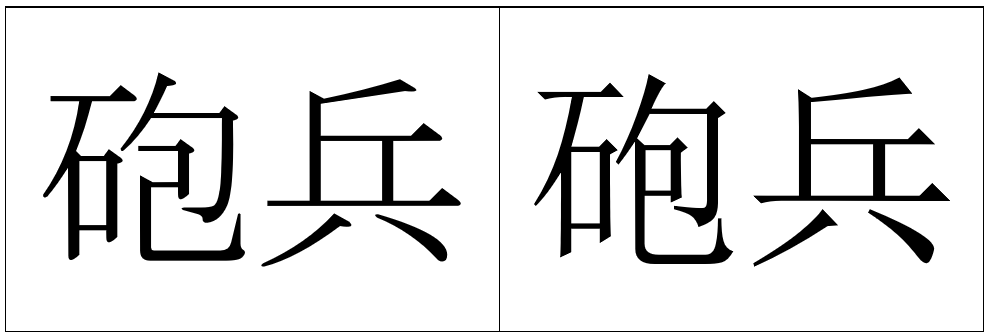
You get the point, I still get comments equivalent to “is that Chinese?” when there’s kana present within the sentence (which Mandarin does not have, as they write entirely in Hanzi). Some words are written the same but pronounciation is very different as they’re unrelated languages. Does the same thing happen to let’s say Norwegian & Danish (or any other European language) since both pairs use similar alphabets and have an identical writing system?
CombatWombat@feddit.online 3 months ago
I don’t have a concrete answer to your question, but it does sound an awful lot like you’re getting xckd 2501’d:
image